What English Majors Actually Learn (Beyond Books)

Updated: Jan 6
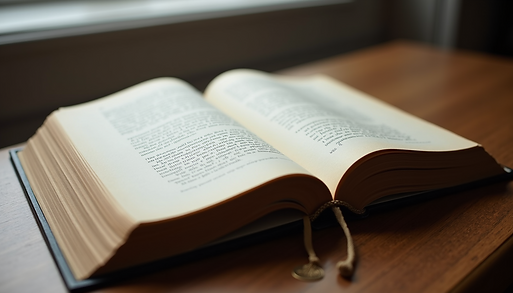
When I tell people that I am an English Major, I usually get one of two responses: a quiet smile that hints at the question, "Oh, so you just like reading?" or the question, "So... what do you plan on doing with it?" Sadly, both reactions miss the true point. I do enjoy reading, even if it is seemingly an obsessive addiction. But it is more about what I have learned through studying English. It is less about books and more about the people I have met, the perceptions I have gained, and the creativity I have witnessed.
The Heart of English Studies
At its core, English is the study of understanding. Yale University asks, "Why Major in English?" and answers with several ideas: "to acquire tools that will never lose value," "to learn how language shapes the world," "to see through other eyes," and "to explain your world," among others. It’s about learning to listen to many different voices, some from 600 years ago to this present year. It includes cultures you may never see and writers who mirror your own emotions through words. Every text—novels, short stories, blogs, poems, and conversations—stretches beyond written language. They all ask an underlying question: What does it mean to be human?
The Art of Writing
When it comes to writing essays, I have learned to think critically but also with a sense of compassion. I have mastered close reading techniques that require patience. You have to sit with the text, not just skim the surface, but dig deeper through the words. It feels like trying to touch the bottom of a pool. Swimming at the surface is easy, with no resistance. But when you dive deeper, you engage your entire body, pushing further and causing strain. This effort trains your muscles. Reading can be compared to using your whole brain. It feels as if I am navigating through every channel and corridor of a passageway. It isn’t easy, but it’s incredibly beautiful to reach the depths of understanding.
The Influence of Great Literature
You can call me biased, but I have learned from the most passionate and talented professors I have ever met. Their ability to convey complex theories and navigate well-crafted ideologies is truly incredible. I have fallen in love with each piece of literature I have studied under them. From older works by Jane Austen, Mary Shelley, Shakespeare, Edgar Allan Poe, Homer, John Keats, and Kate Chopin, to modern writers like Louise Erdrich, Diane Wilson, Langston Hughes, Maya Angelou, and William Yeats, each author has left a mark on my heart.
Self-Reflection Through Reading
The most surprising thing I have learned through my readings is self-reflection. Each line or sentence forces me to question myself, inviting deep internal reflection. It helps me face fears, enjoy love stories, and ask open-ended questions about life. It’s not just about how sentences are structured or if the grammar is correct; it’s about being honest with yourself.
The Joy of Creating Literature
Creating literature can be just as fulfilling. It allows you to generate ideas and helps people subconsciously learn from your work. While it can feel daunting to start and complete a piece, the reward of having others share in the love of your work is immense.
A Challenge for Readers
I challenge anyone who reads this to sit down for 10, maybe 20 minutes, find a random poem, and see what you can learn from it. It may shock many of you, but if you read between the lines, you will come away with something positive.
So when you ask me again what English majors will do with their degrees, remember this: it is a form of self-reflection. It’s a way to look into others' minds, to understand the small details, to find significance, and to learn how to listen. Listening is one of the greatest abilities a human can have. To listen is to understand people—their loves, fears, compassion, and dreams. When someone feels truly heard and understood, it creates a magical connection.
The Journey Continues
My books are only the beginning. Read short stories, poems, novels—whatever pushes you to listen and understand. What we really study is life and how words attempt to make sense of it in this vast world. In this journey, I hope to connect deeply with readers by sharing my unique perspective through poetry, fiction, and essays. Together, we can build a community that explores the human experience.


Comments